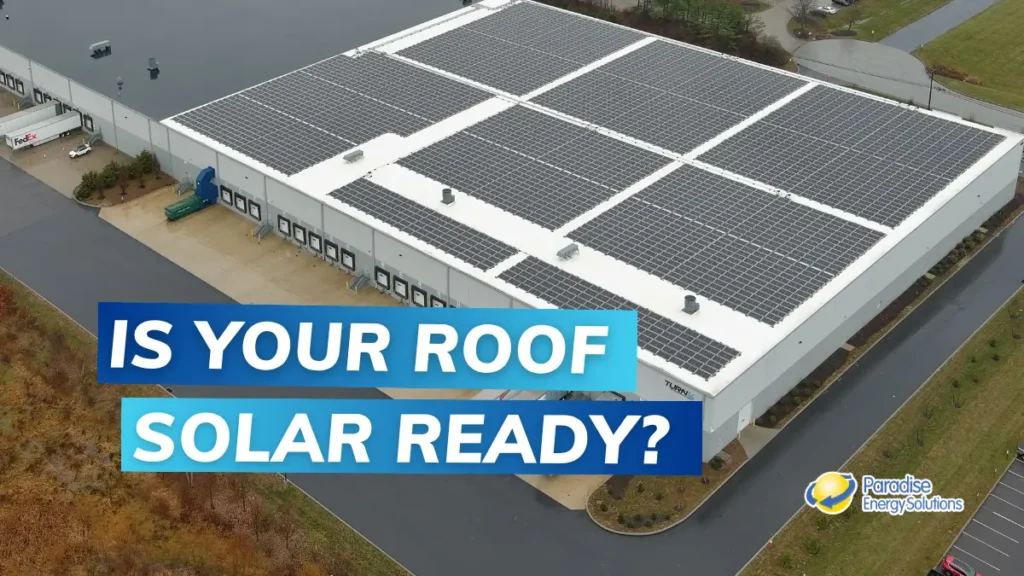
KEY TAKEAWAYS
- Your roof’s remaining life matters more than its type. Most commercial roof types can support a solar installation, including flat membrane, metal, EPDM, and built-up roofs. What disqualifies a roof is its condition and remaining service life, not its material. Before going solar, confirm your roof has enough life left to match a 25 to 30-year solar investment.
- Skipping a roof evaluation before solar can be very expensive. Removing and reinstalling solar panels for a roof replacement costs $275 to $300 per panel, and that is before the roof work even begins. A problem caught before installation is manageable. One discovered after can turn a $5,000 repair into a $200,000+ project.
- Solar does not automatically void your roof warranty, but some conditions can. The key is reviewing your warranty document before installation starts and making sure your solar installer meets any requirements your roofing manufacturer sets. The details in the fine print matter.
- Your roofer and your solar installer need to talk to each other. The biggest preventable problems come from these two contractors working in silos. Direct coordination on drainage paths, load capacity, warranty compliance, and installation specs is a critical step to protect your building.
 Expert Reviewed by Josh Moser, President of Moser Roofing Solutions
Imagine this: you sign the contract, the solar panels go up, and everything looks great. Your system is producing energy. Your electric bill drops. You feel good about the decision.
Then, five to ten years later, your roof begins to show signs that it is nearing the end of its life. A roofer comes out and delivers the news: the roof needs to be replaced. Before any work can begin, the solar system must be removed, leaving you with a significant bill before the roof work even starts.
The mistake is not going solar. Commercial solar is a smart, long-term investment for most businesses. The mistake is skipping one critical question before the installation begins: Is my roof actually ready for solar panels?
To ensure this guide reflects what actually happens in the field, we had it reviewed by Josh Moser, the owner of Moser Roofing Solutions. Josh has been protecting commercial roofs across the Mid-Atlantic region since 2009, and he knows what can go wrong when a roof is not evaluated before solar is installed.
By the end, you will know how to evaluate your roof’s readiness, what it could cost if you skip this step, and exactly what to do before moving forward with a commercial solar installation.
What Roof Types Work With Commercial Solar Panels?
The good news is that most commercial roof types can support a solar installation. Roof type affects system design and mounting approach, but it rarely rules solar out entirely. What matters most is the condition of the roof and the proper design of the solar system.
Here is a quick overview of the most common commercial roof types and how they interact with solar.
PVC, TPO & White Reflective Membrane Roofs
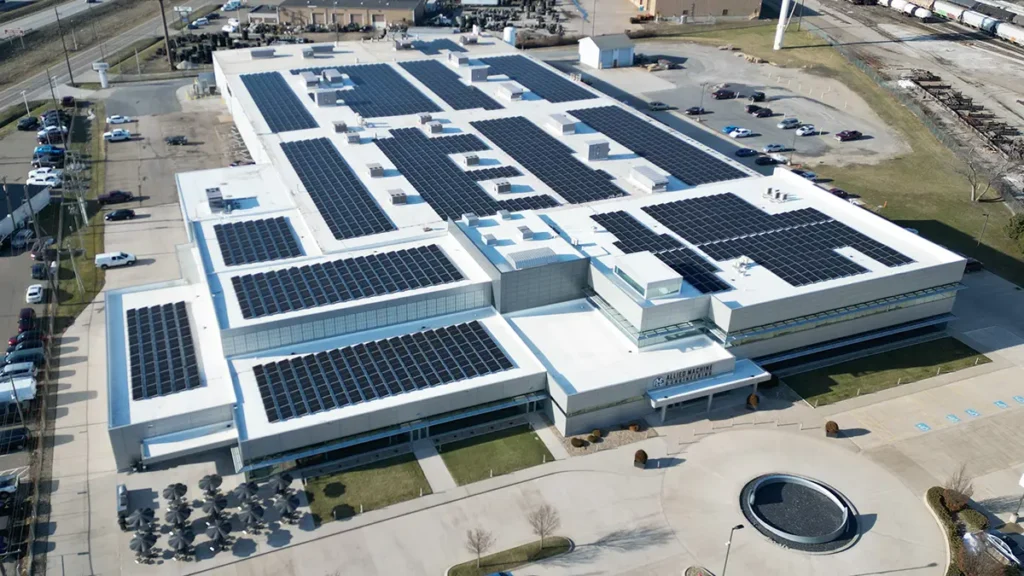
White reflective membrane roofs, including PVC and TPO, are among the best roofing platforms for commercial solar. Their reflective surface helps reduce rooftop temperatures, and for all solar panels, especially bifacial panels that capture light from both sides, the reflected light off a white membrane can actually boost energy production.
Solar systems on these roofs are typically installed using either a ballasted racking system, depending on the building’s structural capacity and the roofing manufacturer’s requirements.
Before installation begins, your roofing contractor should inspect the remaining roof life, check seams and flashings for any areas of concern, review the warranty requirements for solar compatibility, and coordinate the attachment details directly with the solar installer. Getting those steps done in the right order protects both your roof and your solar investment.
EPDM Rubber Membrane Roofs
EPDM rubber roofs are among the most common commercial roofing types in our region, and they are fully compatible with solar. These roofs are typically found on flat or low-slope commercial buildings.
One thing to be aware of: EPDM roofs have seams every 10 to 20 feet where the membrane is bonded. A good solar layout will account for those seam locations, keeping the array design from covering areas that may need future maintenance access.
With that said, modern ballast racking systems are modular enough that individual panels can be removed efficiently if a seam or flashing needs attention down the road.
If your building has an EPDM roof with river stone ballast, you will want a professional inspection before installing solar. The inspection should verify that the ballast is not concealing deteriorated roof conditions, wet insulation, or drainage issues. Existing ballast may also influence the final solar mounting design and should be evaluated before installation.
Standing Seam Metal Roofs
Standing-seam metal roofs are among the best roof types for commercial solar. They are exceptionally durable and long-lasting, which pairs well with a 25 to 30-year solar investment. What makes them especially attractive is the mounting approach: a U-clamp attaches directly to the raised seam of the roof, and the solar panel racking then secures to the clamp. No penetrations into the roof surface are needed, which means no added risk of leaks and no impact on your roof warranty from the mounting hardware itself.
Corrugated and Ribbed Metal Roofs
Not all metal roofs have standing seams, and corrugated or ribbed metal roofs are just as common on commercial buildings in our region. The good news is that solar works well on these roofs, too. A bracket designed specifically for corrugated and ribbed metal profiles fits over the roof rib and is secured with the same galvanized screws your roofing contractor used during the original installation. It is a clean, purpose-built solution that works with the existing roof structure rather than against it.
Gravel and Built-Up Roofing (BUR)
Gravel and built-up roofing systems can successfully support commercial solar, but they generally require a more thorough evaluation before installation than other roof types. Because many BUR roofs are older and approaching the latter portion of their service life, determining the remaining life expectancy is often the most important outcome of that evaluation. Installing a 25 to 30-year solar system on a roof that has five years of life left is not a sound investment — and a qualified roofer will tell you that upfront.
A professional inspection of a BUR roof before solar installation should assess for trapped moisture, deteriorated flashings, membrane movement, loose gravel, drainage concerns, and evidence of previous repairs. Each of these factors influences not only whether the roof is ready for solar, but which mounting approach makes the most sense. The existing gravel ballast on the roof may also factor into the final system design, as it can affect the mounting method selected by the solar designer.
The Right Assessment Will Make Most Roofs Solar Ready
Every roof type covered in this section can support a commercial solar installation when properly assessed and prepared.
Regardless of what is on your roof, your roofing contractor should assess the remaining roof life, inspect seams and flashings for any areas of concern, and review the warranty requirements for solar compatibility. From there, direct coordination between your roofer and your solar installer regarding the attachment details will help ensure the installation goes smoothly.
Getting those steps done in the right order is what makes any roof solar-ready, and protects both your roof and your solar investment for the long term.
| Roof type | Compatibility | Mounting method | Key considerations |
|---|---|---|---|
|
PVC / TPO membrane White reflective |
✓ Best | Ballasted racking |
Reflective surface can boost output with bifacial panels. Inspect seams, flashings, and review warranty requirements before installation. |
|
Standing seam metal |
✓ Best | U-clamp on seam No penetrations |
No roof penetrations needed — protects your warranty. Extremely durable and pairs naturally with a 25–30 year solar investment. |
|
EPDM rubber membrane |
✓ Good | Ballasted racking |
Account for membrane seams every 10–20 ft in the system layout. If river stone ballast is present, a professional inspection is required before installation. |
|
Corrugated / ribbed metal |
✓ Good | Profile bracket Galvanized screws |
Purpose-built brackets fit the existing rib profile. A clean installation that works with the roof structure rather than against it. |
|
Gravel / built-up (BUR) |
△ Inspect first | Varies by condition |
Many BUR roofs are older — confirm remaining service life before committing to solar. Inspect for trapped moisture, loose gravel, and deteriorated flashings. |
|
EPDM with river stone |
△ Inspect first | Varies by condition |
Stone ballast may conceal deterioration or wet insulation. Existing ballast influences mounting design. A professional inspection is a required first step. |
Warning Signs Your Commercial Roof Is Not Ready For Solar
Commercial solar is a 25- to 30-year investment. Your roof needs to be ready to support that timeline, or you need to weigh the replacement costs during the planning stages of your solar investment.
Here are the warning signs that tell you it is time to get a roofer involved before you call a solar installer.
How Old Is Too Old?
Age is the starting point, but it is not the whole story. A 15-year-old roof may have 20 years of life left. A 12-year-old roof may have a serious problem developing beneath the surface. The warranty is a reference point, not a guarantee of condition.
Here is how to start: pull your roof warranty document. If the roof is still under warranty, the warranty document will specify the expected service life and the requirements that must be met to maintain the warranty. If you cannot find it, the manufacturer’s website may have a sample warranty you can use as a reference.
Look for a date stamp on a parapet wall, which is where roofers commonly mark the installation date and warranty number. On EPDM rubber roofs, the manufacturer also stamps a date on the membrane itself, typically within a year or two of the actual installation date.
As a general rule, if your roof has fewer than 15 to 20 years of service life remaining, a professional inspection is not optional. It is the responsible first step before going solar.
A qualified roofer can assess the remaining life of your roof, grade its overall condition, and provide a professional recommendation on whether to proceed with solar, make targeted repairs first, or plan a full replacement before installation begins.
In some cases, visible signs alone are not enough to fully assess a roof’s condition. A roofer may recommend additional moisture investigation techniques, such as infrared scanning, capacitance testing, or strategic core cuts, to identify wet insulation or trapped moisture beneath the surface. These diagnostic tools can reveal problems that would otherwise go undetected until they become significantly more expensive to address.
Visual Damage: What to Look For
Before picking up the phone, take a walk around your building — inside and out. These are the warning signs that tell you a professional roof evaluation is needed:
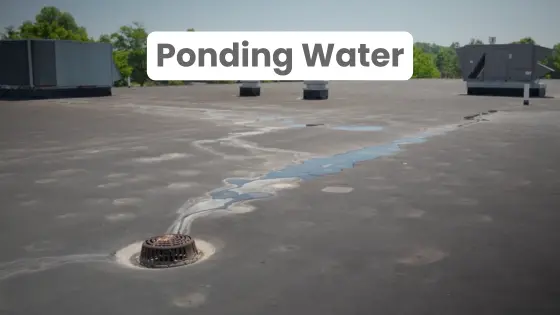
- Standing or ponding water remaining more than 48 hours after rainfall.
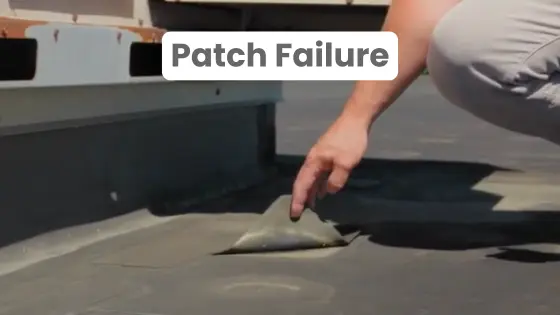
- Open membrane seams or loose flashing.
- Cracks, punctures, blisters, or bubbles in the roofing membrane.
- Rusting metal roof panels or deteriorated fasteners.
- Interior ceiling or wall water stains.
- Repeated leak repairs in the same location.
- Blocked drains, scuppers, or gutters.
- Damage around rooftop equipment or service areas.
Drainage Problems Under a Solar System Are Especially Costly
Commercial roofs are designed with a low slope, which means water moves slowly. It depends on an unobstructed path to drains, scuppers, or gutters for proper roof drainage. Water takes the path of least resistance, which could end up being inside your building if there aren’t clear drainage paths.
A solar racking system, if not carefully designed, can act like a dam. It can slow or block water movement, cause ponding in areas that previously drained, and, in colder climates, cause pooled water to freeze. The added weight of ponded water stresses the roof structure and can accelerate wear on the underlying membrane.
Before the solar panels go on, every drain, scupper, and gutter needs to be functioning properly. The solar layout should be designed to maintain the existing drainage paths rather than work against them. This is one of the most important reasons why your roofer and your solar installer need to communicate directly before installation begins.
On a steep residential roof, drainage is rarely a concern. On a flat or low-slope commercial roof, it is one of the first things a professional evaluates.
Aging Rooftop Equipment: Evaluate Before Going Solar
Before installing solar panels, it is worth evaluating the condition of any rooftop HVAC units and other mechanical equipment. While the solar system will be designed with clear pathways to rooftop equipment, replacing or upgrading this equipment after solar panels are installed can be more complicated than doing it beforehand. If major equipment is nearing the end of its service life, addressing it before installation begins may be prudent.
Can Your Roof Structure Support the Weight of Solar Panels?
Every roof-mounted solar system adds weight to the building’s structure. For most commercial buildings, the roof is strong enough for solar panels. But it needs to be confirmed by a professional.
Solar panels are built solid to withstand all kinds of environmental pressures, but they are not as heavy as most people expect. The exact weight varies by brand and model, though most commercial panels fall in the range of 35 to 50 pounds. Because that weight is distributed across the full surface area of each panel, the load on the roof typically works out to approximately 2.3 to 2.4 pounds per square foot. That is a relatively modest addition to the overall structural load for most commercial buildings in good condition.
For flat-roof commercial buildings, ballast-mounted systems are a common installation approach. These systems are held in place by weight, typically concrete ballast blocks that resist wind uplift.
An average ballast-mounted solar system adds 3 to 6 pounds per square foot to the roof, including the panels, mounting hardware, and ballast blocks. Here is how that weight typically breaks down:
- Average total load: 3 to 6 lbs per square foot
- Panel weight: Typically 40 to 50 lbs per panel
- Ballast weight: Concrete blocks are typically around 30lbs., depending on the tilt angle and local wind conditions
For businesses in the Mid-Atlantic region where significant snowfall is possible, you may be wondering about the added weight of snow on top of the panels. The structural engineer’s evaluation accounts for this. Average snowfall for your area is factored into the analysis as part of the standard review process.
It is also worth knowing that commercial solar panels carry a pressure rating, most rated at 5,000 Pascals or higher, meaning they are engineered to handle the accumulation of two to four feet of snow before the load becomes a concern for the panels themselves.
A roofer conducting a pre-solar inspection will also look for signs of existing overburden points on the roof where weighted objects have caused visible deflection or wear on the membrane. That kind of observation, combined with a structural engineer’s review, gives you a complete picture before anything is installed.
What Happens If You Install Solar on a Roof That Is Not Ready?
It is easy to underestimate the consequences when a roof problem is discovered after a solar system has already been installed. The costs compound quickly and almost always fall entirely on the building owner.
Here is a look at the issues and costs that could come up if your roof is not ready for solar panels.
The Cost to Remove & Reinstall Your Solar Panels
Before a roofer can repair or replace a commercial roof with solar panels on it, the system must be removed first — and then reinstalled after the roof work is complete. Having your roofer and solar installer working together throughout this process keeps costs under control, timelines on track, and downtime to a minimum.
Plan to budget between $275 and $300 per solar panel for removal and reinstallation. The final cost will vary depending on:
- Travel time for the installation crew
- Number of roof faces where panels are installed
- Roof height and pitch
- Roofing material
- Any damage to system equipment during the removal and storage of that equipment
In addition to those costs, the time between de-energizing the system and re-commissioning it must be considered. Any downtime means your system is not producing energy, and that lost production should be factored into the project’s overall cost.
How Much Roof Work Might Your Building Need?
Not every roof problem requires a full replacement. The scope of work depends on what is found during the inspection, and the earlier it is caught, the more options you have.
Minor Repairs
Localized issues like seam repairs, flashing replacement, drainage improvements, or isolated membrane repairs can typically be resolved with minimal disruption to the solar project timeline.
Partial Reroof
When deterioration is concentrated in one section of the roof, a partial reroof may be the right solution. It preserves the remaining roof investment and allows the solar installation to proceed once the affected area is addressed.
Full Roof Replacement
A full replacement is appropriate when the roof has reached the end of its service life or shows widespread deterioration or moisture damage. While it extends the overall project timeline, replacing the roof before installing solar is almost always more economical than removing and reinstalling an entire array later.
What a Leak Under Solar Actually Costs
A roof problem found before solar is installed is manageable. A roofer comes out, assesses the situation, and you make a plan. The cost is known and contained.
A roof problem found after the solar system is installed is a different situation entirely.
When water gets under a solar system on a commercial roof, it is not immediately obvious. The panels are covering the area. What you see first is a brown ceiling tile inside the building. What you are seeing is the tip of the iceberg. By the time water is visible inside, the saturation in the roof substrate above can already be extensive.
Common cover boards used in commercial roofing, such as fiberboard, absorb water like sponges. They will hold that water until they cannot any longer. By the time you notice a leak, you may have a large saturated area that is invisible from both above and below.
The cost escalation is significant. If water has reached the roof decking and decking replacement is required, costs can increase by 400 to 600 percent compared to a surface-level repair.
Add in the cost of temporary ceiling protection for dust-sensitive operations, scaffolding, ventilation concerns related to mold or mildew, and interior restoration, and a problem that started as a $5,000 roof repair can easily become a $200,000 to $300,000 project.
Every situation is different. But the pattern is consistent: the longer a leak goes undetected under a solar system, the more expensive the outcome.
Who Is Responsible When Something Goes Wrong?
This is one of the most common questions we hear — and it deserves a direct answer.
If a roof develops a leak after solar is installed, responsibility is determined by the cause of the leak, not simply by the presence of the panels. Roofing defects remain the responsibility of the roofing system. Installation-related issues generally fall under the solar contractor. What the warranty document says and whether the installation met the manufacturer’s specifications both play a role in how that determination is made.
The best protection for a building owner is early coordination between both contractors. This coordination provides a jointly developed scope of work that clearly defines responsibilities before installation begins. That one step eliminates most of the ambiguity that makes these situations costly and contentious.

Does Installing Solar Panels Void Your Roof Warranty?
This is one of the most common questions we get. The short answer is: no, solar does not automatically void your roof warranty. But there are specific conditions that can put your warranty at risk, and you need to understand them before installation begins.
What You Need to Know About Your Warranty Document
Start with a physical, signed copy of your warranty. You want the version that has been executed by both parties: a signature from the manufacturer and one from you as the building owner. This is the document that governs your coverage.
Read it carefully. Specifically, look for any language about third-party installations on the roof surface. Some warranties say solar will not void coverage, but then include a clause stating that leaks occurring in areas where solar is installed are not covered. That is a meaningful distinction, and it is exactly the kind of fine print that catches people off guard.
If anything is unclear, contact the manufacturer directly. Ask them what their specifications require for a solar installation to remain warranty-compliant. They may require a specific type of cover board, a slip sheet between the racking and the membrane, or installation by a contractor who meets their certified installer requirements.
What Protects Your Warranty
When a solar installation is done right, your warranty is protected. That means:
- The solar installer follows the roofing manufacturer’s specifications for assembly
- The racking and penetration approach meets the manufacturer’s requirements
- The solar layout avoids laps and seam areas where possible, maintaining access for future maintenance
- The roofer and the solar installer have communicated directly and are aligned on the plan
- Any roof modifications related to the solar installation are completed or reviewed by a roofing manufacturer-approved contractor, as many manufacturers require this to maintain warranty eligibility
When those steps are followed, your roof warranty stays intact, and your solar investment is protected on both fronts. For added peace of mind, Paradise Energy backs every installation with our Triple Ten Guarantee, which covers workmanship for the first 10 years.
What Can Void Your Warranty
- Improper penetrations into the roof membrane
- Installation that exceeds the manufacturer’s load limits
- Work performed by a contractor not approved by the roofing manufacturer
- Failure to follow the specifications outlined in the warranty document
A Note on Modern Solar Design
Today’s solar panels are designed with roof life cycles in mind. Modular racking systems allow individual panels to be removed without disturbing the rest of the system. This means that if a seam or flashing needs attention after installation, a qualified solar installer can pull five or six panels, provide the roofer with a clear working area, and reinstall them once the repair is complete. That kind of flexibility is far less disruptive and far less expensive than removing an entire system.
This is another reason why having your roofer and your solar installer working together from the beginning produces a better outcome for everyone.
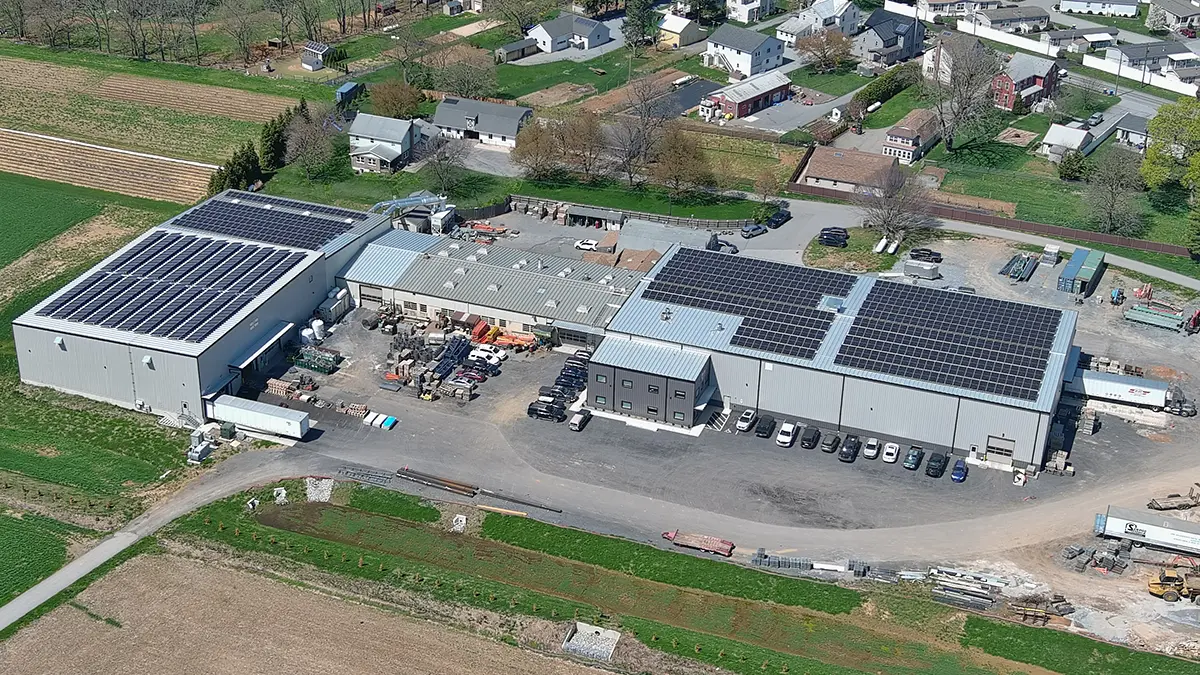
Before You Go Solar: Your Commercial Roof Solar Readiness Checklist
Use this checklist as your starting point before moving forward with a commercial solar installation. Each section is labeled with who is responsible for completing it, so you know exactly who to call and what to ask for. Going solar is a team effort. Download a PDF copy of this checklist.
| Responsible party | Items to confirm |
|---|---|
| Roof condition | |
| Building owner + roofer |
|
| Structural capacity | |
| Solar installer + roofer |
|
| Drainage and layout | |
| Solar installer + roofer |
|
| Warranties and process | |
| Owner + installer + roofer |
|
Frequently Asked Questions About Commercial Roofs and Solar
Would a solar installation void my commercial roof warranty?
Not automatically. Whether solar affects your warranty depends on what your warranty document says and how the installation is performed. Some warranties include clauses that exclude leak coverage in areas where solar is installed, even if they do not void the warranty outright. The safest approach is to review your warranty document, contact the manufacturer with specific questions, and make sure your solar installer meets any requirements they set for a compliant installation.
Can solar panels damage a commercial roof?
When solar is properly designed and installed, it should not damage your roof. In fact, there is a reasonable case that solar panels extend the life of the roof surface beneath them by blocking direct UV exposure, similar to how rock ballast absorbs UV on a traditional ballasted roof.
That said, improper installation can cause damage. Working with a qualified, experienced installer and a roofer who reviews the plan before installation is the best protection against this.
What does solar system maintenance look like, and does it affect my roof?
Routine solar maintenance is typically minimal and does not require disturbing your roof. For most commercial systems, annual or semi-annual inspections cover panel cleaning, electrical component checks, and a review of system production data. A qualified solar installer will also check that racking hardware remains secure and that no panel movement has occurred over time.
If a roof repair is needed after installation, modern modular racking systems allow removal of individual panels or small sections of the array without taking down the entire system. Your solar installer and roofer can coordinate access, complete the repair, and reinstall the panels efficiently.
That kind of flexibility is one reason choosing an installer that offers long-term maintenance support matters to a commercial property owner. The relationship should not end at installation. Ongoing monitoring and support help protect both your solar investment and your roof for the long haul.
Do solar panels extend the life of a commercial roof?
There is a logical argument that they do. Panels shield the roof membrane from direct sunlight, reducing oxidation and UV degradation over time. While no formal study has confirmed this with hard data, the principle is sound. Think of it as sunscreen for your roof. The panels shade the surface and take the brunt of the elements, potentially slowing the normal wear process on the membrane underneath.
Who should I contact first, a solar company or a roofer?
It depends on how much you already know about your roof’s condition. If your roof is relatively new, under warranty, and showing no signs of problems, a solar site assessment is the best place to start.
If your roof is more than 10 to 15 years old, has a history of leaks, or you do not have access to your warranty documents, start with your roofer. Make sure you tell your roofer you are looking into solar. Not all regular roof evaluations include the questions and information needed for solar projects
In either case, both parties need to be involved before installation begins. The most efficient path is to get both on the phone at the same time.
How much does it cost to remove and reinstall solar panels for a commercial roof replacement or repair?
Plan to budget between $275 and $300 per solar panel for removal and reinstallation, though the final cost will vary based on factors like system size, roof height and pitch, number of roof faces, and the condition of the equipment during removal and storage.
Beyond direct labor costs, keep in mind that any downtime between de-energizing and re-commissioning the system results in lost energy production, which should be factored into the total cost of the project.
What if my roof structure cannot support the weight of solar panels?
All roof-mounted systems are reviewed by a structural engineer during the design phase. If the structure needs reinforcement to handle the added weight of solar, the engineer will outline the recommended steps before installation can begin. In cases where reinforcement is not practical, alternative options such as a ground-mounted system or a solar carport may be explored. Either way, no installation moves forward without a stamp of approval from a structural engineer.
What type of commercial roof is best for solar panels?
The best commercial roof for solar is one that will remain serviceable throughout the expected 25- to 30-year life of the solar system. White reflective membrane roofs, such as PVC and TPO, along with standing-seam metal roofs, generally offer the easiest integration due to their durability, energy performance, and installation flexibility. Older EPDM, built-up, and gravel roofs can also perform well, but often require a more comprehensive inspection before installation. Ultimately, roof condition and remaining service life are more important than roof type alone.
How much roof space do I need for a commercial solar system?
As a general rule of thumb, plan for 80 to 100 square feet of roof space per 1 kW of solar panels. So a 100 kW system would need roughly 8,000 to 10,000 square feet of usable roof area.
That said, the real answer depends on three things:
- How much electricity you use. The more power your business consumes, the more panels (and roof space) you’ll need to offset it.
- The equipment you choose.
- Your roof’s usable footprint. Obstructions like HVAC units, skylights, and setbacks for fire code access all reduce the space you can actually use.
Most commercial buildings won’t have enough roof space to cover 100% of their electricity usage, and that’s okay. The goal isn’t to fill every inch of your roof. It’s to install the system that makes the most financial sense within the space you have.
That’s why we always start with a site assessment. We’ll look at your roof’s available space, your energy usage, and your budget to design a system that fits all three, so you know exactly what to expect before you commit to anything.
What if my business can’t fully use the solar tax incentives? Are there other ways to go solar?
Yes. While the federal tax credit is one of the biggest financial perks of going solar, it’s not the only reason commercial solar makes sense. Even if your business can’t take full advantage of the tax credit, solar can still deliver a strong return on investment through several other benefits:
- Lower, more predictable electric bills. Solar puts you in control of a cost you’d otherwise have no say over. Instead of watching utility rates climb, you can lock in a large chunk of your energy costs for the next 25+ years.
- Accelerated depreciation. On the federal side, businesses can depreciate 100% of the cost of their solar equipment in the first year, which can significantly offset the upfront investment. State depreciation follows the five-year MACRS schedule.
- SREC income. In states with an SREC market, you can generate extra revenue by selling the renewable energy credits your system earns.
- State and utility grants. Some states and utility companies offer additional incentives for going solar
- USDA REAP grants. Rural businesses and agricultural operations may qualify for USDA grant funding that can cover a meaningful portion of project costs.
- Goodwill with customers and your community. More businesses and customers care about sustainability. Going solar shows you’re investing in your community’s future, not just your bottom line.
The bottom line: the tax credit is valuable, but it’s just one piece of the financial picture. A well-designed system can still pencil out even without it.
Every business’s situation is different, though, so the best next step is talking with a solar consultant who can walk through your specific numbers and figure out which of these benefits apply to you.
Are there fire code or setback requirements for commercial rooftop solar?
Yes. Fire codes require clear pathways and setbacks around a rooftop solar array so firefighters and other first responders can safely access the roof in an emergency.
These requirements typically include:
- Access pathways to the roof edges, allowing crews room to move around the system.
- Clearance around HVAC units, permanently installed roof vents, and skylights to keep existing equipment accessible for repairs and emergencies.
The exact requirements come from the International Fire Code, but your local jurisdiction may have its own version with different specifics. That’s one more reason rooftop solar layouts shouldn’t be an afterthought. A local code that eats into your usable roof space is much better to discover during the design phase rather than when trying to obtain permits.
This is exactly why we design every system around a full site assessment. We factor in fire code setbacks, roof obstructions, and your local jurisdiction’s requirements from day one to help minimize design and construction issues further down the line.
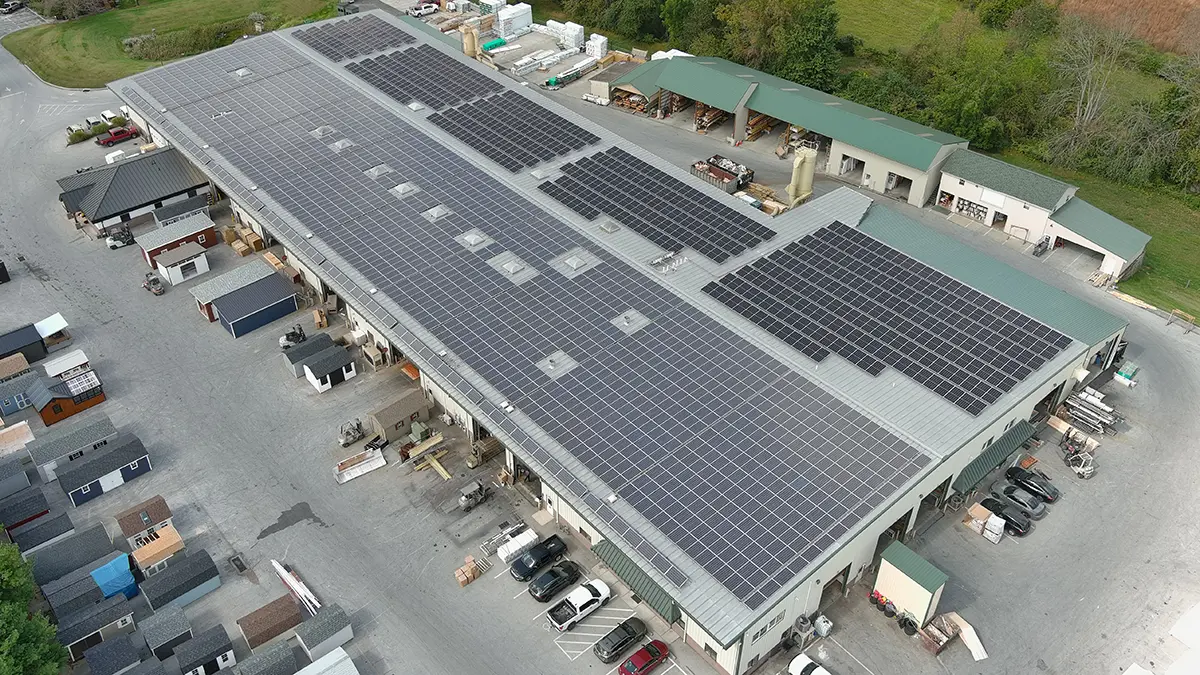
Planning a New Roof? Design It Solar-Ready From the Start
If a roof replacement is on your horizon in the next one to ten years, this is the most important thing you can do: design that new roof to be solar-ready from day one.
Adding the right cover board, choosing a light or white membrane that works well with bifacial solar panels, and accounting for solar loads during the design phase add only a fraction of the cost compared to retrofitting later. When the time comes to install solar, the roof is ready.
If you are in the planning stages of a roof replacement, have that conversation with your roofer and with your solar installer at the same time.
Ready to Find Out If Your Roof Is Solar-Ready?
Getting your roof and your solar investment aligned is not complicated. It just requires the right partners and the right order of operations.
If you are not sure about the condition of your roof, start there. Moser Roofing Solutions serves commercial businesses across a wide coverage area from its Lancaster County home base. A professional roof inspection before you commit to solar is one of the smartest investments you can make.
If your roof is in good shape and you are ready to explore how solar could help your business save money, Paradise Energy Solutions is here to help. We have been helping businesses control their energy costs since 2009, and we will equip you with the tools and information you need to make an informed investment decision for your business.
Click here to schedule your free solar site assessment or schedule your Commercial Roof Inspection with Moser Roofing at MoserRoofingSolutions.com.